

Contents
Google Pixel 9 vs iPhone 17
Friends, as you already know, in 2025 smartphones are no longer limited to Snapdragon processors, camera quality, or battery backup.
Now, Artificial Intelligence (AI) has become a core part of smartphone features. Most devices have advanced AI integration — from camera intelligence to battery optimization.
That’s why in this review, we’re comparing two of the smartest phones of 2025 — Google Pixel 9 and iPhone 17.
Both are flagship models that are leading the AI revolution in the smartphone world.
Let’s find out which one truly deserves the title of AI King of 2025 and beyond!
Design & Display
Starting with the Google Pixel 9, it features a 6.285-inch (approximately 6.3-inch) Full HD+ pOLED display with a 60Hz–120Hz adaptive refresh rate and vibrant color accuracy. It also comes with 2D Gorilla Glass protection and an impressive 2700 nits brightness for great outdoor visibility.
Now talking about the iPhone 17, it offers a 6.3-inch OLED display with a 120Hz refresh rate, similar to the Pixel. Both phones handle gaming and multitasking smoothly. However, the iPhone doesn’t include Gorilla Glass protection by default — you’ll need to install that separately.
The iPhone 17 takes the lead in brightness with an incredible 3000 nits peak, making it much better suited for outdoor use.
Google Pixel 9:
- 6.285-inch (~6.3-inch) Full HD+ pOLED display
- Adaptive refresh rate: 60Hz – 120Hz
- 2D Gorilla Glass protection
- Brightness: 2700 nits (excellent outdoor visibility)
- Vibrant color accuracy
iPhone 17:
- 6.3-inch OLED display
- 120Hz refresh rate (smooth multitasking & gaming)
- No Gorilla Glass by default (manual installation required)
- Peak brightness: 3000 nits (superior for outdoor use)
Performance & AI Power
When it comes to performance, the Google Pixel 9 is powered by the new Tensor G4 chipset, designed specifically for AI-based tasks.
The advantage of this chip is that it performs on-device AI processing, which results in faster performance and enhanced privacy.
Meanwhile, the iPhone 17 runs on Apple’s A19 Bionic chipset, known for its powerful single-core performance and AI neural engine.
In terms of optimization, Apple still has the edge — multitasking and photo processing on the iPhone 17 are incredibly smooth and efficient.
Google Pixel 9:
- Powered by Tensor G4 chipset
- Designed for AI-driven tasks
- On-device AI processing (faster + enhanced privacy)
- Optimized for smart photo and app management
iPhone 17:
- Uses Apple A19 Bionic chip
- Powerful single-core performance
- Advanced AI Neural Engine
- Superior system optimization (smooth multitasking & photo processing)
Camera Comparison
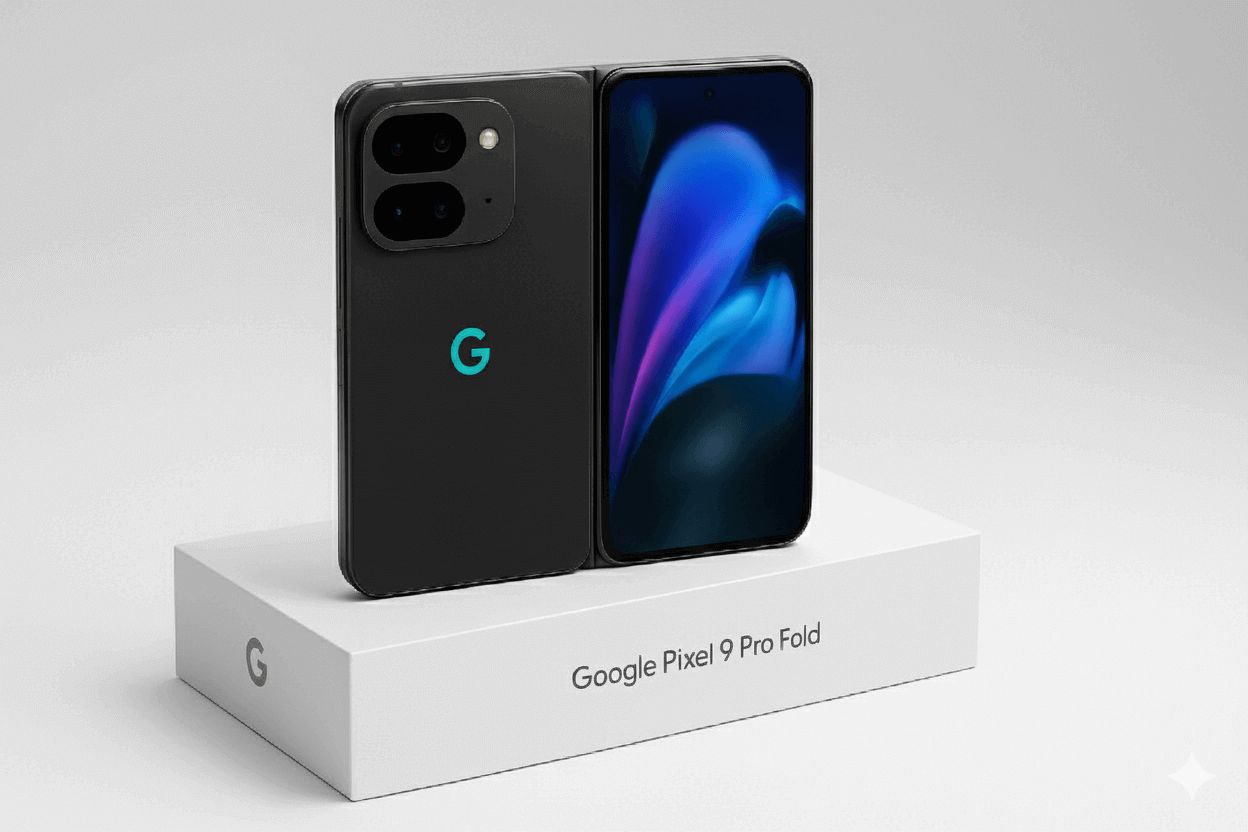
The Pixel 9 sports a dual-camera setup — 50MP (primary) + 48MP, along with a 10.5MP front camera and 4x zoom. It also supports Ultra HDR, making it one of the most powerful camera systems available.
Google has always set a benchmark in computational photography — with features like low-light optimization, HDR enhancement, and real tone color accuracy, the results are outstanding.
On the other hand, the iPhone 17 features a triple 48MP Fusion camera system with telephoto and ultra-wide lenses plus cinematic video mode.
Its 18MP front camera delivers excellent selfies and portrait performance. Overall, both phones are neck-and-neck, but Apple’s image processing still feels more natural and dynamic.
Google Pixel 9:
- Rear: 50MP (Primary) + 48MP (Ultra-wide)
- Front: 10.5MP with 4x zoom
- Supports Ultra HDR
- Excellent low-light and HDR photography
- Real Tone color accuracy for true-to-life results
iPhone 17:
- Triple 48MP Fusion camera system (telephoto + ultra-wide + main)
- Cinematic video mode
- Front: 18MP selfie camera
- Natural and dynamic image processing
- Balanced detail and contrast in portraits
Battery & Charging
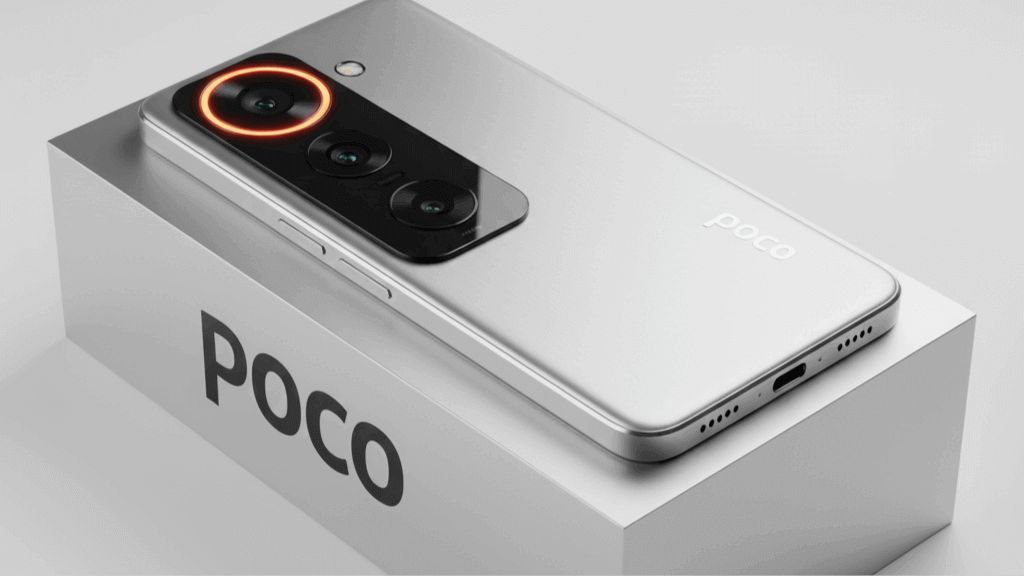
The Google Pixel 9 is equipped with a 4700mAh battery, capable of lasting a full day with normal usage. It supports 45W fast charging, filling the battery in around 40 minutes.
Apple has not disclosed the exact mAh capacity for the iPhone 17, but real-world testing shows it has better endurance and slightly faster charging compared to previous iPhones. In daily usage, both phones deliver similar battery backup.
Google Pixel 9:
- 4700mAh battery capacity
- 45W fast charging (0–100% in ~40 minutes)
- One full day of usage on normal load
iPhone 17:
- Exact mAh not revealed by Apple
- Improved battery endurance over iPhone 16
- Slightly faster charging performance
- Similar real-world backup to Pixel 9
Features & Ecosystem
The Pixel 9 runs on Android 14 with Gemini AI integration, offering features like real-time translation, AI wallpapers, and smart replies — perfect for productivity and personalization.
Meanwhile, the iPhone 17 runs on iOS 26, featuring the upgraded AI-driven Siri 2.0, satellite SOS, and seamless integration with the Apple ecosystem — including Watch, Mac, and AirPods.
Google Pixel 9:
- Android 14 with Gemini AI integration
- Features: Real-time translation, AI wallpapers, smart replies
- Focused on productivity and personalization
iPhone 17:
- iOS 26 with upgraded Siri 2.0 (AI-powered)
- Satellite SOS emergency feature
- Deep integration with Apple ecosystem (Watch, Mac, AirPods)
- Seamless device syncing & AI-based optimization
Final Verdict
Both phones are kings in their own domain.
If you love AI-driven experiences and Google’s ecosystem, the Pixel 9 is your perfect choice.
But if you prioritize performance, camera quality, and a smoother ecosystem, then the iPhone 17 clearly takes the crown.
Choosing the AI King of 2025 is tough — but iPhone 17 gets a slight edge thanks to its performance and optimization.
Still, if you crave customization and AI magic, the Pixel 9 is not far behind!
So friends, tell us — who’s your AI King? Comment below 👇